Menu

Overcoming keto plateaus with proven strategies for fat loss and better results on the ketogenic diet

Why Keto Plateaus Happen

You’re doing everything “right”—tracking carbs, staying in ketosis, eating clean—and suddenly the scale stops moving. This is what’s known as a keto plateau, and it happens to almost everyone at some point.

The good news? A plateau doesn’t mean you’ve failed. It simply means your metabolism has adapted, and now it’s time to make small, strategic adjustments.

Below, you’ll learn science-backed methods to restart fat loss and tools that make the process easier.

1. Reevaluate Your Macros

As your weight changes, your caloric needs shift. Many plateaus happen because the macros that worked at the beginning no longer match your current body composition.

How to Fix It:

  • Track Your Food Again: Even small carb creep slows fat loss.
  • Recalculate Macros: Lower weight = lower overall energy needs.
  • Increase Protein: Higher protein intake supports muscle maintenance and improves satiety.

If you want a done-for-you macro calculation, try the Custom Keto Diet—it builds your macros and a personalized meal plan automatically.

For deeper macro guidance, you can also check out my post: Keto Macros Explained for Beginners.

2. Use Intermittent Fasting to Boost Ketosis

Intermittent fasting increases ketone levels, improves insulin sensitivity, and helps your body burn stored fat more efficiently.

Start Here:

  • Try a 16/8 schedule (fast 16 hours, eat within 8 hours).
  • Stay hydrated—water, herbal tea, and electrolytes help a lot.
  • Keep your first meal high-protein and low-carb.

If you want a simple explanation of how fasting supports keto, you may like: Intermittent Fasting on Keto: What You Should Know.

Want more fasting tips? Grab your Keto Fat-Loss eBook.

3. Double-Check Hidden Carbs & Food Quality

Even small amounts of sugars, starches, and processed fats can block weight loss. Many keto dieters accidentally eat “dirty keto,” which slows progress significantly.

Common Sneaky Plateau Triggers:

  • Sugar in sauces, dressings, and flavored yogurt
  • Keto snacks that are low-carb but highly processed
  • Too many nuts, nut flours, or cheese
  • Eating more carbs from vegetables than you think

If you need a clean, beginner-friendly food list, check out my new guide: Keto Food List for 2025.

For a complete shopping shortcut, see this curated Keto Grocery List.

4. Increase Physical Activity (Even Slightly)

You don’t need extreme workouts—just small changes can reignite fat loss.

Try This:

  • Strength training: More muscle boosts resting metabolism.
  • HIIT sessions: Efficiently improves fat burning.
  • Non-exercise movement: Walking, cleaning, stair-climbing—yes, it counts.

Pairing exercise with better macro balance often breaks plateaus quickly. If you want personalized workout + meal plans, try the Custom Keto Diet.

5. Check Hidden Lifestyle Factors

Sometimes the problem isn’t carbs or macros—it’s hormones, stress, or lack of sleep.

  • Chronic stress elevates cortisol, which increases belly fat storage.
  • Poor sleep disrupts appetite hormones like ghrelin and leptin.
  • Hormonal imbalance (thyroid, estrogen, insulin) slows fat loss dramatically.

If belly fat is your biggest struggle, you may like my guide: Keto for Belly Fat: Why It Works & How to Start.

To get tailored suggestions based on your symptoms, take the Keto Quiz.

Conclusion: You Can Break a Keto Plateau

A keto plateau is normal—but it’s temporary. With the right adjustments, your metabolism will respond again. Start with macro adjustments, increase food quality, add fasting, and support your hormones and sleep.

If you want deeper guidance, you can download the Free Keto eBook to continue your progress.

Always On the Go? Discover the Top 7 Keto Snacks to Keep You Fueled and Focused!

The Best Keto-Friendly Snacks for Busy Professionals
Click Here to Take Your Quizz

Introduction: Stay Fueled and Focused with Keto Snacks

Being a busy professional often means working through lunches, skipping meals, or grabbing unhealthy snacks just to keep going. But if you’re following a keto diet, finding convenient, low-carb snacks that fit your lifestyle can be challenging. Fortunately, there are plenty of delicious, keto-friendly snacks that are perfect for those who are always on the move.

In this guide, we’ll explore the best keto snacks that will keep you energized, focused, and satisfied throughout your hectic day.

1. Cheese and Nut Packs

Cheese and nuts are a classic keto combination that provides a perfect balance of fats and protein, keeping you full and energized. Pre-packaged cheese and nut packs are convenient, easy to store, and portable, making them ideal for a quick snack between meetings or during your commute.

Pro Tip: Look for varieties with no added sugars or artificial ingredients to keep it truly keto-friendly.

2. Hard-Boiled Eggs

Hard-boiled eggs are a powerhouse of nutrition. They’re rich in healthy fats, protein, and essential vitamins, making them an excellent snack to sustain you through busy days. Prepare a batch at the beginning of the week and grab a couple whenever you need a quick bite.

Need help planning your keto meals? Try Custom Keto Diet for a tailored plan that fits your busy lifestyle.

3. Keto Fat Bombs

Keto fat bombs are bite-sized snacks loaded with healthy fats, designed to satisfy your cravings and keep you in ketosis. They’re easy to make at home and come in various flavors, from chocolate to peanut butter. Store them in your fridge and take a few with you for a quick energy boost during the day.

Want to make keto easier? Download Free Keto eBook for delicious fat bomb recipes and more.

4. Avocado and Sea Salt

Avocados are a keto superstar, packed with healthy fats, fiber, and essential nutrients. Simply slice an avocado in half, sprinkle with sea salt, and enjoy! This snack is not only delicious but also incredibly filling, making it perfect for a busy afternoon.

Pro Tip: For added flavor, drizzle with olive oil or a squeeze of lemon.

5. Keto-Friendly Jerky

Jerky is a great on-the-go snack, providing a substantial amount of protein with minimal carbs. Look for jerky that’s specifically labeled as keto-friendly, which means it’s free from added sugars and preservatives. Beef, turkey, or even salmon jerky can be excellent choices.

Unsure how to start with keto snacks? Take Keto Quiz to discover the best snacks and meals for your keto journey.

6. Greek Yogurt with Chia Seeds

Full-fat Greek yogurt is a creamy, satisfying snack that’s low in carbs and high in protein. Add a tablespoon of chia seeds for extra fiber and healthy fats. This snack can be prepped in a small container and eaten on the go, making it perfect for busy professionals.

Pro Tip: Opt for plain Greek yogurt to avoid added sugars and sweeten it with a few drops of stevia or monk fruit if needed.

7. Celery Sticks with Nut Butter

Celery sticks paired with a keto-friendly nut butter (like almond or macadamia) make for a crunchy, satisfying snack. This combo is rich in fats and fiber, helping you stay full between meals without spiking your blood sugar.

For more snack ideas, check out Keto Meal Plan filled with delicious recipes and meal prep tips.

Conclusion: Snack Smart, Stay Keto

Finding the right snacks is essential for staying on track with your keto diet, especially when you’re juggling a busy schedule. The options we’ve shared are not only keto-friendly but also convenient, making it easy to maintain your energy and focus throughout the day.

Ready to elevate your keto lifestyle? Explore Custom Keto Diet and get started on a personalized plan today!

Ready for a Keto Transformation? Follow These 7 Simple Steps to Shift from Your Standard Diet!

How to Transition from a Standard Diet to Ket

Why Transitioning to Keto is Worth It

Transitioning from a standard diet to the ketogenic diet can feel overwhelming, but the potential benefits make it well worth the effort. Whether you're looking to lose weight, improve your energy levels, or support your overall health, keto offers a powerful way to transform your body by focusing on low-carb, high-fat foods.

In this guide, we'll break down the transition process into manageable steps, making it easier to adopt the keto lifestyle and start reaping its benefits.

Step 1: Educate Yourself on the Keto Diet

Before making any changes, it's essential to understand what the ketogenic diet is and how it works. Keto is a high-fat, low-carb diet that shifts your body into a state of ketosis, where it burns fat for fuel instead of carbohydrates. Familiarize yourself with the basics of keto, including the types of foods you’ll be eating, what to avoid, and the changes your body will go through during the transition.For a personalized plan, take the Keto Quiz to get started with a diet tailored to your goals.

Step 2: Clean Out Your Pantry

Start by eliminating high-carb foods from your kitchen. This includes sugary snacks, bread, pasta, rice, and other grains. Replace these with keto-friendly staples like eggs, avocados, nuts, seeds, and low-carb vegetables. Having the right foods on hand will make it easier to stick to your new diet.

Step 3: Gradually Reduce Carbohydrates

Going from a high-carb diet straight to keto can be a shock to your system. To ease the transition, gradually reduce your carb intake over a week or two. Begin by cutting out sugary drinks and processed snacks, then move on to reducing starchy vegetables and grains. This gradual approach can help minimize side effects like the keto flu.

Pro Tip: Track your carbohydrate intake using a food diary or app to ensure you’re staying on target.

Step 4: Increase Healthy Fats

As you reduce carbs, it’s crucial to increase your intake of healthy fats. Focus on incorporating more avocados, olive oil, fatty fish, and nuts into your meals. These fats will become your primary source of energy on the keto diet. Aim to get 70-80% of your daily calories from fat to help your body adjust to burning fat for fuel.Need help with meal planning? Check out this Keto Meal Plan for easy-to-follow, delicious recipes.

Step 5: Monitor Your Protein Intake

While protein is essential, too much can hinder ketosis. Aim to consume moderate amounts of protein, about 20-25% of your daily calories. Choose lean meats, fish, eggs, and plant-based proteins like tofu. Balancing your protein intake ensures that your body remains in ketosis while still supporting muscle health.

Step 6: Stay Hydrated and Replenish Electrolytes

Transitioning to keto can cause your body to lose water and electrolytes, leading to symptoms like fatigue, headaches, and cramps. Combat this by drinking plenty of water and replenishing electrolytes through foods like leafy greens, avocados, and nuts. You can also use electrolyte supplements if needed.

Step 7: Embrace Meal Prep and Planning

Meal prepping is key to staying on track with your new keto lifestyle. Dedicate a few hours each week to preparing meals and snacks. This not only saves time but also ensures you always have keto-friendly options available, making it easier to avoid temptation.

For a complete meal planning solution, download this Free Keto eBook with recipes and tips to simplify your keto journey.

Conclusion: Start Your Keto Journey with Confidence

Transitioning to the keto diet doesn’t have to be daunting. By following these steps, you can gradually ease into the ketogenic lifestyle, minimize discomfort, and set yourself up for long-term success. Remember, consistency is key, and with the right tools and mindset, you'll soon be enjoying the benefits of keto.

Ready to start your keto transformation? Take our Keto Quiz to discover the best approach for you, or explore our Keto Meal Plan for easy, delicious recipes.

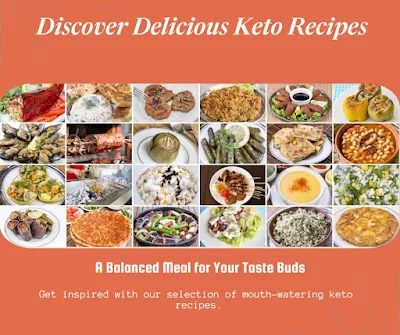
Keto Delicious Dishes
Click Here To Download Recipes


Meal prepping is a game-changer for anyone on a keto diet, especially if you're juggling a busy schedule. With the right recipes, you can enjoy delicious, low-carb meals all week long without spending hours in the kitchen. In this post, we'll share five easy keto meal prep recipes that are not only tasty but also simple to prepare.

1. Keto Chicken and Broccoli Casserole

This hearty casserole combines tender chicken with nutritious broccoli in a creamy, cheese-laden dish that’s perfect for batch cooking.

Ingredients:

  • Chicken breasts
  • Broccoli florets
  • Heavy cream
  • Shredded cheese (cheddar or mozzarella)
  • Olive oil
  • Salt and pepper

Instructions:

  1. Preheat oven to 375°F (190°C).
  2. Cook chicken and broccoli until tender.
  3. Mix with heavy cream and cheese.
  4. Bake until bubbly and golden.

Tip: For a personalized meal plan that fits your needs, try our Keto Meal Plan.

2. Avocado and Egg Salad

This refreshing salad combines creamy avocado with hard-boiled eggs, making it a perfect quick lunch or snack option.

Ingredients:

  • Avocados
  • Hard-boiled eggs
  • Mayonnaise
  • Lemon juice
  • Salt and pepper

Instructions:

  1. Dice avocados and eggs.
  2. Mix with mayonnaise and lemon juice.
  3. Season with salt and pepper to taste.

Tip: To ensure you get the most out of your keto diet, consider using our Custom Keto Diet for tailored meal planning.

3. Beef and Veggie Stir-Fry

A quick and versatile stir-fry that packs a flavorful punch. It’s perfect for lunch or dinner and keeps well in the fridge.

Ingredients:

  • Ground beef
  • Bell peppers
  • Zucchini
  • Soy sauce (or coconut aminos for a gluten-free option)
  • Olive oil

Instructions:

  1. Cook ground beef in olive oil until browned.
  2. Add chopped bell peppers and zucchini.
  3. Stir in soy sauce and cook until veggies are tender.

Tip: For more meal prep ideas and recipes, check out FREE Keto eBook.

4. Keto Buffalo Cauliflower Bites

These spicy, crispy cauliflower bites are a perfect snack or side dish that’s both keto-friendly and delicious.

Ingredients:

  • Cauliflower florets
  • Olive oil
  • Buffalo sauce
  • Parmesan cheese

Instructions:

  1. Toss cauliflower in olive oil and bake until tender.
  2. Coat with buffalo sauce and bake until crispy.
  3. Sprinkle with Parmesan cheese before serving.

5. Zucchini Noodles with Pesto

A low-carb alternative to pasta, these zucchini noodles are topped with a homemade pesto sauce for a fresh and flavorful meal.

Ingredients:

  • Zucchini
  • Pesto sauce (store-bought or homemade)
  • Olive oil

Instructions:

  1. Spiralize zucchini into noodles.
  2. Sauté in olive oil until tender.
  3. Toss with pesto sauce and serve.

Tip: To ensure your keto journey is smooth and successful, use our Keto Quiz to find a personalized approach to your meal planning.

Meal prepping doesn’t have to be time-consuming or complicated. With these five easy keto recipes, you can enjoy a week of delicious, satisfying meals without the stress. Whether you're new to keto or a seasoned pro, these recipes will help you stay on track and make your diet enjoyable.

Get started today with our Custom Keto Diet and download our FREE Keto eBook for more helpful tips and recipes!

Avocado and Tomato Toast 🥑🍅 


Good morning, breakfast lovers! If you're on the hunt for a quick, nutritious, and utterly delicious way to start your day, look no further than this Avocado and Tomato Toast. Packed with healthy fats, fiber, and a burst of flavor, this simple yet satisfying dish is ideal for weight loss and keeping you energized throughout your morning. Let’s get to it!

Why You’ll Love This Recipe

Avocado and Tomato Toast is more than just a trendy breakfast option; it’s a balanced meal that combines the creaminess of ripe avocado with the juicy sweetness of cherry tomatoes. Whole-grain bread adds a satisfying crunch and a dose of complex carbohydrates, while a drizzle of olive oil and a sprinkle of red pepper flakes bring it all together with a touch of heat.

Ingredients

  • 1 ripe avocado
  • 2 slices whole-grain bread
  • 1/2 cup cherry tomatoes, sliced
  • 1 tbsp olive oil
  • 1/2 tsp red pepper flakes
  • Salt and pepper to taste

Instructions

  1. Toast the Bread:

    • Begin by toasting the whole-grain bread slices until they are golden brown and crispy.
  2. Prepare the Avocado:

    • While the bread is toasting, cut the ripe avocado in half, remove the pit, and scoop the flesh into a bowl.
    • Mash the avocado with a fork until it reaches your desired consistency.
  3. Assemble the Toast:

    • Once the bread is toasted, spread the mashed avocado evenly over each slice.
    • Top with sliced cherry tomatoes.
  4. Finish with Seasonings:

    • Drizzle the olive oil over the toast.
    • Sprinkle with red pepper flakes, salt, and pepper to taste.
  5. Serve:

    • Serve the Avocado and Tomato Toast immediately and enjoy!

Tips for Success

  • Ripeness Matters: Ensure your avocado is perfectly ripe for the best texture and flavor. It should give slightly when gently pressed.
  • Customize It: Add a poached egg, a sprinkle of feta cheese, or some microgreens for extra nutrition and flavor.
  • Meal Prep: For a quick assembly in the morning, have your cherry tomatoes pre-sliced and avocado ready to mash.

Nutritional Benefits

Avocado and Tomato Toast is not just delicious; it’s a powerhouse of nutrients:

  • Healthy Fats: Avocado provides monounsaturated fats that are heart-healthy and help keep you full.
  • Fiber: Whole-grain bread and avocado offer fiber, aiding in digestion and keeping you satiated.
  • Vitamins and Minerals: Tomatoes are rich in vitamin C and potassium, while avocados provide vitamins E, K, and B-6.

Conclusion

Kickstart your day with this Avocado and Tomato Toast and enjoy a nutritious, delicious breakfast that supports your weight loss goals. This easy recipe is perfect for busy mornings or a leisurely brunch. Give it a try and let us know your favorite avocado toast toppings in the comments below. Happy eating!


If you loved this recipe, make sure to check out our other healthy breakfast options on the blog. Don’t forget to subscribe for more tasty and nutritious recipes delivered straight to your inbox! Download FREE recipes Here

Spicy Quinoa and Black Bean Bowl 🌶️🍲 

Today, we're bringing you a recipe that’s perfect for those looking to enjoy a meal that's both flavorful and supportive of their weight loss goals. Introducing the Spicy Quinoa and Black Bean Bowl. This dish is packed with protein, fiber, and a variety of vibrant ingredients that will keep you satisfied and energized throughout the day. Let’s dive into the details!


Spicy Quinoa and Black Bean Bowl
Download Free Recipes Now!

Why You’ll Love This Recipe

The Spicy Quinoa and Black Bean Bowl is a powerhouse of nutrition. Quinoa is a complete protein, black beans are rich in fiber, and the colorful vegetables add a wealth of vitamins and minerals. This bowl is not only good for your body but also a treat for your taste buds with its spicy, zesty flavor profile.

Ingredients

  • 1 cup cooked quinoa
  • 1/2 cup black beans, rinsed
  • 1/2 cup corn kernels
  • 1/2 cup diced bell peppers
  • 1/4 cup chopped cilantro
  • 1 tbsp lime juice
  • 1/2 tsp chili powder
  • Salt to taste

Instructions

  1. Prepare the Ingredients:

    • Cook the quinoa according to the package instructions and let it cool.
    • Rinse and drain the black beans.
    • Dice the bell peppers and chop the cilantro.
  2. Combine the Ingredients:

    • In a large mixing bowl, combine the cooked quinoa, black beans, corn kernels, and diced bell peppers.
  3. Add the Seasonings:

    • Add the chopped cilantro, lime juice, chili powder, and salt to the bowl.
    • Toss all the ingredients together until well mixed and evenly coated with the seasonings.
  4. Serve:

    • Serve the Spicy Quinoa and Black Bean Bowl immediately, or refrigerate it for an hour to let the flavors meld together.

Tips for Success

  • Customize Your Heat: Adjust the amount of chili powder to suit your taste. If you like it extra spicy, feel free to add a pinch of cayenne pepper or a chopped jalapeño.
  • Add More Veggies: Enhance the nutritional value by adding more vegetables like cherry tomatoes, avocado, or red onions.
  • Meal Prep Friendly: This bowl is perfect for meal prep. Make a large batch and store it in the refrigerator for up to three days. It makes for a quick and healthy lunch or dinner option.

Nutritional Benefits

The Spicy Quinoa and Black Bean Bowl is designed to be a nutritious meal that supports weight loss:

  • Protein: Quinoa and black beans provide a significant amount of protein, helping to build and repair tissues and keeping you full longer.
  • Fiber: Both quinoa and black beans are rich in fiber, which aids in digestion and promotes a feeling of fullness.
  • Vitamins and Minerals: The bell peppers and cilantro add essential vitamins and minerals, such as vitamin C, vitamin A, and potassium, to your diet.

Conclusion

There you have it – a quick, easy, and nutritious Spicy Quinoa and Black Bean Bowl that’s perfect for anyone looking to eat healthier without sacrificing flavor. This recipe is not only delicious but also supports your weight loss goals with its high protein and fiber content. Give it a try and let us know how it turns out in the comments below. Enjoy your meal!

Zesty Lemon Herb Chicken Salad Recipe 🥗🍋 


Zesty Lemon Herb Chicken Salad
Download Free Recipes Now!

Welcome to another delicious recipe on our blog! Today, we’re diving into a dish that’s perfect for those warm summer days when you crave something light, refreshing, and incredibly flavorful. Let’s talk about the Zesty Lemon Herb Chicken Salad. This salad is not only healthy and vibrant but also easy to prepare. So, let’s get started!

Zesty Lemon Herb Chicken Salad Recipe

The Zesty Lemon Herb Chicken Salad is a wonderful blend of tender chicken, fresh herbs, and a zesty lemon dressing that brightens up every bite. It’s perfect for lunch, dinner, or even as a side dish at your next barbecue. Plus, it’s packed with protein and healthy fats, making it a nutritious choice for any meal.

Ingredients

For the Chicken:

  • 2 boneless, skinless chicken breasts
  • 2 tablespoons olive oil
  • Salt and pepper to taste

For the Salad:

  • 4 cups mixed greens (spinach, arugula, or your favorite mix)
  • 1 cup cherry tomatoes, halved
  • 1 cucumber, sliced
  • 1/2 red onion, thinly sliced
  • 1/4 cup crumbled feta cheese
  • 2 tablespoons fresh parsley, chopped
  • 2 tablespoons fresh dill, chopped

For the Dressing:

  • 1/4 cup extra-virgin olive oil
  • Juice of 2 lemons
  • 1 tablespoon Dijon mustard
  • 1 garlic clove, minced
  • 1 teaspoon honey (optional)
  • Salt and pepper to taste

Instructions

  1. Cook the Chicken:

    • Preheat your oven to 375°F (190°C).
    • Season the chicken breasts with olive oil, salt, and pepper.
    • Place the chicken on a baking sheet and bake for 20-25 minutes, or until the chicken is cooked through and no longer pink in the center.
    • Let the chicken rest for a few minutes before slicing it into thin strips.
  2. Prepare the Salad:

    • While the chicken is baking, prepare your salad ingredients. In a large bowl, combine the mixed greens, cherry tomatoes, cucumber, red onion, feta cheese, parsley, and dill.
  3. Make the Dressing:

    • In a small bowl or jar, whisk together the extra-virgin olive oil, lemon juice, Dijon mustard, minced garlic, honey (if using), salt, and pepper. Taste and adjust the seasoning as needed.
  4. Assemble the Salad:

    • Add the sliced chicken to the salad bowl.
    • Pour the dressing over the salad and toss everything together until well combined.
  5. Serve:

    • Serve the salad immediately, or chill it in the refrigerator for up to an hour to let the flavors meld together.

Tips for Success

  • Fresh Herbs: Use fresh herbs whenever possible for the best flavor. If you don’t have fresh herbs, dried herbs can be used but reduce the amount by half.
  • Marinate the Chicken: For even more flavor, marinate the chicken in olive oil, lemon juice, and herbs for a few hours before baking.
  • Variations: Feel free to customize this salad with your favorite ingredients. Avocado, bell peppers, or olives would be great additions.

Nutritional Benefits

This Zesty Lemon Herb Chicken Salad is not just tasty; it’s also packed with nutrients:

  • Protein: The chicken provides a lean source of protein, essential for muscle repair and growth.
  • Vitamins: The mixed greens, tomatoes, and cucumbers are loaded with vitamins A, C, and K.
  • Healthy Fats: The olive oil and feta cheese provide healthy fats that are good for your heart.

There you have it! A quick, easy, and healthy Zesty Lemon Herb Chicken Salad that’s perfect for any occasion. Whether you’re looking for a quick lunch, a light dinner, or a side dish for a summer gathering, this salad is sure to impress. Give it a try and let us know how you like it in the comments below. Happy cooking!

Ready to transform your life? Start with free resources and join our supportive community!

How Much Weight Can You Lose in a Week on Keto?

How Much Weight Can You Lose in a Week on Keto?

Starting a keto diet for weight loss can feel like stepping into unknown territory—but what actually happens during your first week on keto? If you're a new buyer searching for the best custom keto meal plan or wondering how fast the fat loss begins, this guide walks you through what to expect—day by day—with science-backed insight and real-world tips.

Whether you're looking for a quick transformation or a sustainable fat-burning lifestyle, understanding your body’s early responses is crucial for sticking with the plan and avoiding disappointment.


Day 1–2: The Shift Begins

What Happens:

As you start cutting carbs (usually down to 20–50g per day), your body begins burning through its stored glucose (glycogen). Since glycogen is stored with water, losing it means you’ll drop several pounds quickly—mostly water weight.

Common Experiences:

  • Increased urination

  • Mild cravings

  • A surprising drop on the scale (1–3 lbs is common)

Tip for New Keto Customers:

If you're using a keto weight loss plan, make sure it includes hydration and electrolyte support from Day 1 to prevent the “keto flu.” Many custom plans like the Custom Keto Diet adjust for this automatically based on your activity and weight loss goals.


Day 3–4: Keto Flu Symptoms

What Happens:

Your body is switching from carbs to fats for energy, and the transition isn’t always smooth. You might feel sluggish, moody, or even nauseous—this is known as the keto flu.

Buyer Tip:
Don’t panic or quit! These symptoms are temporary and can often be avoided by:

  • Increasing sodium, potassium, and magnesium

  • Drinking more water

  • Getting enough calories and fat

For commercial products that address this, many keto diet programs include supplement recommendations. You’ll also find practical recipes to combat keto flu in our guide on Keto Meal Prep: 5 Easy Recipes for a Week of Delicious Dishes.


Day 5–6: Ketosis Begins

What Happens:

By now, your glycogen stores are low, and your liver starts producing ketones—your new energy source. You may experience:

  • Reduced appetite

  • Stable energy

  • Better focus

  • A subtle sweet taste in your mouth (from ketones)

Fat Loss Begins:

Once ketones are flowing, your body begins burning stored fat. This is the start of real keto fat burning, which you’ll see reflected on the scale and in how your clothes fit.

If you’re using a custom keto meal plan, this is when you’ll notice the biggest benefit: your energy stabilizes, cravings drop, and weight loss feels natural—not forced.


Day 7: Fat Adaptation Phase Starts

What Happens:

Your body is adapting to burning fat efficiently. While full fat adaptation takes a few more weeks, by Day 7, you may feel:

  • Lighter

  • More energetic

  • Less hungry between meals

This is where many keto beginners start asking, “How can I make this sustainable?”


How Much Weight Can You Lose in the First Week of Keto?

Most first-time buyers on a keto weight loss diet report:

  • 3–7 pounds in the first week (mostly water + some fat)

  • Faster results if using a structured keto meal plan with portion control

  • More consistent progress when tracking macros with tools or guided apps

📌 Pro tip:

For more personalized insight, take this Free Keto Quiz and get a tailored fat-loss plan that matches your body type, age, and lifestyle.


Common Mistakes to Avoid in Week One

🚫 Eating too much protein: It can convert to glucose and kick you out of ketosis.
🚫 Skipping electrolytes: This leads to headaches and low energy.
🚫 Under-eating: Your body needs enough calories to switch into fat-burning mode.

We cover these pitfalls in-depth in our guide on 10 Common Keto Mistakes Buyers Make, especially for those starting their first commercial keto diet program.


What Comes After Week One?

Once your body enters ketosis and fat adaptation begins, your results compound over time—especially if you’re:

  • Following a meal plan with balanced macros

  • Sticking to real, whole foods

  • Listening to your hunger cues

If you’ve made it through the first 7 days, you’ve done what most people give up on. That’s the perfect time to double down and invest in a custom keto meal plan designed for fat-burning, without all the guesswork.


Final Thoughts

The first week of keto can be both exciting and challenging. You may drop several pounds, feel tired, or even crave sugar—but by Day 7, most people experience clarity, steady energy, and a real sense of progress.

🎯 Want help with your keto transformation?

Start with a Custom Keto Diet Plan designed around your goals and food preferences. It’s the easiest way to accelerate fat loss while avoiding common buyer mistakes.


What can you not eat on keto?

What can you not eat on keto?


The ketogenic diet, or keto diet, is a low-carb, high-fat diet that helps people lose weight and improve their overall health. While there are many foods you can enjoy on keto, there are also several foods you should avoid to maintain ketosis. In this post, we’ll go over the foods that are not allowed on a keto diet and why they should be avoided.

Foods High in Carbohydrates

  1. Sugary Foods

    • Candy, soda, and baked goods are high in sugar and carbs, which can quickly knock you out of ketosis. For effective weight loss and to avoid these high-carb temptations, take our Keto Quiz to get personalized recommendations tailored to your needs.
  2. Grains and Starches

    • Foods like bread, pasta, rice, and cereals are packed with carbohydrates. Even whole grain options are high in carbs and should be avoided on a keto diet.
  3. High-Carb Fruits

    • Most fruits are high in natural sugars, which can affect your ketosis. Avoid fruits like bananas, grapes, and apples. Instead, opt for low-carb fruits like berries in moderation.

Starchy Vegetables

  1. Potatoes

    • Potatoes, including sweet potatoes, are starchy vegetables that contain a lot of carbs. They can quickly raise your blood sugar levels and interfere with ketosis.
  2. Corn and Peas

    • Both corn and peas are high in carbs and should be avoided. Instead, focus on low-carb vegetables like leafy greens and cruciferous vegetables.
  3. Carrots and Beets

    • While they are nutritious, carrots and beets are higher in carbs compared to other vegetables. It’s best to consume them in limited quantities if at all.
Want additional tips and recipes to enhance your keto lifestyle? Download Keto Free eBook for comprehensive guidance.

Legumes and Beans

  1. Beans

    • Beans, such as lentils, black beans, and chickpeas, are high in carbohydrates. They are not suitable for a keto diet and should be avoided.
  2. Peas and Lentils

    • Similar to beans, peas and lentils have a high carbohydrate content and can disrupt ketosis.

Processed Foods

  1. Processed Snacks

    • Chips, crackers, and other processed snacks are usually high in carbs and unhealthy fats. These should be avoided on a keto diet.
  2. Sugary Drinks

    • Beverages like soda, fruit juices, and sweetened teas are high in sugar and carbs. Stick to water, unsweetened tea, or coffee to stay hydrated without impacting your ketosis.
  3. Low-Fat and Fat-Free Products

    • These products often contain added sugars to compensate for the reduced fat content, making them unsuitable for a keto diet.

Alcoholic Beverages

  1. Beer

    • Beer is high in carbs and can quickly disrupt ketosis. If you choose to drink alcohol, opt for low-carb options like dry wine or spirits in moderation.
  2. Sweetened Cocktails

    • Cocktails made with sugary mixers are high in carbs. Stick to simple drinks like vodka with soda water and a lime wedge.

Conclusion

To maintain ketosis and achieve the best results on a keto diet, it’s important to avoid high-carb foods and focus on low-carb, high-fat options. By steering clear of sugary foods, grains, starchy vegetables, legumes, processed snacks, and certain alcoholic beverages, you can stay on track with your keto journey.

Ready to take control of your health with a proven approach? Discover the benefits of Custom Keto Diet and start your transformation now.


Frequently Asked Questions

1. Can I eat any fruits on a keto diet?

  • Most fruits are high in carbs and should be avoided. However, you can enjoy small portions of low-carb fruits like berries.

2. Are there any keto-friendly alternatives to bread and pasta?

  • Yes, you can use almond flour or coconut flour for baking, and zucchini noodles or shirataki noodles as pasta substitutes.

3. How can I stay on track while dining out?

  • Look for menu options that include protein and vegetables, and ask for modifications to remove high-carb ingredients.

4. Can I drink milk on a keto diet?

  • Milk is high in carbs, so it's best to avoid it. Opt for unsweetened almond milk or coconut milk instead.

5. How do I deal with cravings for high-carb foods?

  • Keep keto-friendly snacks on hand, like nuts, cheese, and low-carb vegetables, to satisfy your cravings without breaking ketosis.

Author

Hi,I'm Lauren Hayes is a nutrition researcher specializing in metabolic health, herbal medicine, and diabetes-friendly weight loss strategies. With a strong background in evidence-based nutrition, she simplifies complex scientific insights to help readers make informed health decisions. Passionate about the intersection of herbal remedies and metabolic wellness, Lauren Hayes provides well-researched, practical guidance for sustainable weight management.

Disclamer

Radiant Health is a participant in the Associates Programs, an affiliate advertising program designed to provide a means for sites to earn advertising fees by advertising and linking to. All information found on https://diets.radianthealthbliss.com is intended for informational and educational purposes only. The information provided on this website is not intended to be a replacement or substitute for professional medical advice.

Leave a Reply

Name

Email *

Message *